

Bella Vista Health Center Blog


Here’s Why Tai Chi is Good For the Elderly
Tai Chi is particularly beneficial for the elderly because it provides them with the same great benefits as conventional exercise without the risk of injury.
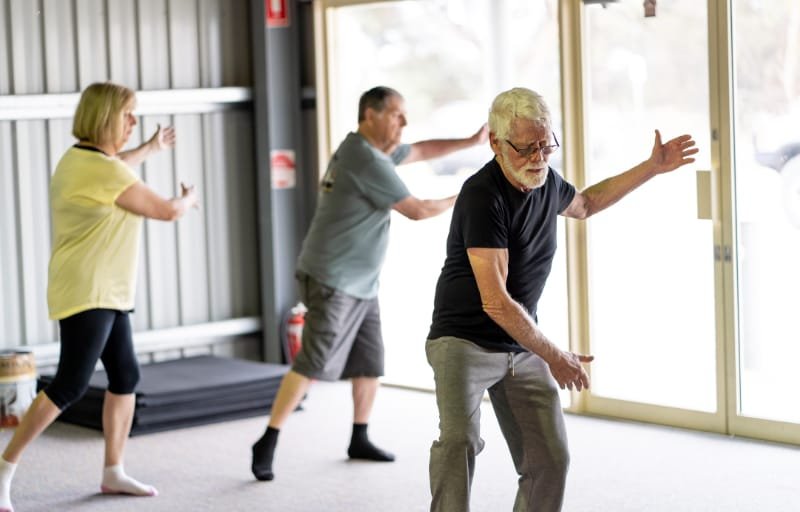
Exercise is one of the most important keys to maintaining physical health and emotional wellbeing. But as our bodies get older, we become limited in the types of exercise we can do. Falls and injury prevention become a high priority, which tends to cross high-impact exercise off the list. The good news is that some low-impact activities have many of the same benefits as conventional exercise. And a few, like Tai Chi, may even have more.
Tai Chi is an ancient Chinese martial art that involves a series of slow, focused movements and deep breathing exercises. It is often described as meditation in motion. But don’t let this calm, peaceful, low-impact exercise fool you—it’s real exercise, and the benefits are numerous. Tai Chi is particularly beneficial for the elderly because it provides them with the same great benefits as conventional exercise without the risk of injury. Plus, it offers a few benefits above and beyond those typically expected from conventional exercise. Here’s why Tai Chi is good for the elderly.
Balance
The slow deliberate movements of Tai Chi help older adults improve their balance. Studies have shown that Tai Chi is one of the best exercises to help reduce falls in seniors.
Strength
Tai Chi strengthens and tones the whole body and is particularly good for the elderly because of its focus on low impact movements that provide a low risk of injury.
Hand-eye coordination
A 2008 study of motor control and hand-eye coordination tested a group of elderly long-term Tai Chi practitioners (three years or more) against a control group of healthy seniors who had never practiced Tai Chi before. The study concluded that the Tai Chi group had better results on the hand-eye coordination test than the control group.
Blood circulation and blood pressure
The combination of stretching and relaxing movements improves blood flow through the veins, allowing it to supply your body with a steady supply of nourishing oxygen and nutrients. Studies also suggest that Tai Chi can lower blood pressure in older adults as effectively as aerobic exercise.
Sleep quality
Insomnia is one of the most common sleep disturbances in the elderly. Tai Chi is said to be just as effective as conventional exercise in improving sleep quality and may be a better alternative for older populations because of its low-impact movements.
Cognitive function and memory
Tai Chi is good for the whole body, including the brain. The breathing exercises help to increase oxygenation and blood flow to the brain, activate the parasympathetic system, and calm the mind, all of which affect cognitive areas of the brain in a positive way. Tai Chi also activates body awareness, mindfulness, spatial memory, and other memory functions that help keep the brain sharp.
Symptoms of depression and anxiety
Research suggests that Tai Chi may be able to relieve symptoms of depression and anxiety. One hypothesis is that while the attention is focused on body posture, movement, and breathing, attention is taken away from the stressors. This suggests that repeated practice can modulate the resting state of the areas of the brain involved with attentional control, providing relief from symptoms of depression and anxiety.
Tai Chi has numerous benefits for helping seniors to stay fit, healthy, and in good spirits.
Physical Therapy, Occupational Therapy, and More at Bella Vista
If you’re struggling with pain or mobility and finding it difficult to get the exercise you need to stay healthy, Bella Vista Health Center may be able to help. We offer a wide range of health services for seniors at our 5-Star skilled nursing facility. Our physical therapy program, occupational therapy program, or other services could be just what you need to optimize your health and your quality of life. For more information on our services, or to schedule a tour of our facility, give us a call at (619) 644-1000 today.

20 Simple Home Exercises For Seniors
Seniors have a wide range of options for exercising at home. But what are the best home exercises for seniors? Check out our list here to find out.
Exercise is an important part of maintaining a healthy lifestyle, no matter how old you are. These days, however, many seniors are reluctant to visit the community centers or public gyms where they took exercise classes before Covid. Fortunately, seniors have a wide range of options for exercising at home. But what are the best home exercises for seniors? Well, it depends on what you’re looking for. Below, we’ve created a list that includes a little bit of everything.
Whether you prefer home exercise equipment, online classes, or you want to mix and match simple exercises to create your own workout, we’ve got you covered. Please discuss it with your doctor before starting any at-home exercise program.
1. Stationary Recumbent Cycling
A recumbent home exercise bike helps provide the benefits of cycling while adding additional fall prevention.
2. Rowing Machine
Rowing is a total body workout that not only strengthens major muscle groups but also increases cardiovascular endurance.
3. Yoga
Yoga helps to strengthen bones, enhance balance, and improve flexibility. Chair yoga is a great option for those in need of pose modification. Online yoga classes for seniors are a great option, too.
4. Chair Squats
Chair squats help increase lower body strength, improve balance, and can help restore everyday functioning for those recovering from injuries.
5. Leg Raises
Leg raises help improve core strength. They can be done seated or standing.
6. Back Leg Raises
Back leg raises increase lower body and core strength. It’s best to hold onto a chair, table or wall while performing this exercise.
7. Side Leg Raises
Side leg raises increase hip mobility, which helps seniors to improve and maintain balance. It’s best to hold onto a chair, table or wall while performing this exercise.
8. Knee Lifts
This seated exercise increases range of motion around the hips, reducing the risk of falls.
9. Tummy Twists
Tummy twists increase core strength and aid in stretching the spine.
10. Arm Raises
Arm raises help to improve range of motion in the shoulders. They can be done seated or standing. Light weights may be added for additional strength training.
11. Wall Push-Ups
Wall push-ups help improve upper body strength, especially in the chest and arms.
12. Single-Leg Stand
The single-leg stand helps to improve balance and coordination. It’s best to hold onto a chair, table or wall while performing this exercise.
13. Toe Lifts
Toe lifts increase strength in the feet and improve balance.
14. Shoulder Rolls
Shoulder rolls help maintain range of motion and mobility in the shoulders, which helps to improve everyday functioning for seniors.
15. Fist Stretch
Opening and closing the fist and stretching the fingers out wide helps to improve strength and mobility in the hand and fingers.
16. Knuckle Bend
The knuckle bend exercise helps to increase range of motion in the fingers.
17. Ball Squeezes
This exercise strengthens the grip, aiding in everyday function and maximizing senior independence.
18. Slow Neck Rotation
Neck rotation exercises help maintain flexibility and relieve stiffness and pain. It’s important to perform this exercise slowly.
19. Floor Stretches
Stretching increases joint mobility, improves balance and coordination, and reduces the risk of injury.
20. Chair Stretches
Seniors who have trouble getting down to the ground can benefit from chair stretches, including the seated side stretch, seated hip stretch, seated backbend, and more.
Physical therapy, occupational therapy, and more at Bella Vista in San Diego
If you or a loved one suffers from pain or immobility that’s keeping you from getting the exercise you need to stay healthy, you may be in need of physical therapy. At Bella Vista Health Center, we offer a wide range of health services for seniors at our 5-Star skilled nursing facility. Whether you’re recovering from an illness or injury, or you’re considering joint replacement surgery and know you’ll need physical therapy, we can help. For more information on our services, or to schedule a tour of our facility. give us a call at (619) 644-1000 today.

Can Too Much Exercise Cause Joint Pain?
The key to exercise and healthy joints lies in what you do and how you do it. Read on for more information about exercise and joint pain.

“No pain no gain,” is a common saying many people use to motivate themselves in the gym or on the field. And while it’s true that pushing physical boundaries is a part of the process of building strength and endurance, overdoing it causes damage to our bodies. High impact exercise in particular can damage the cartilage in the knee joints and increase the risk of developing arthritis. To complicate matters slightly, it is also true that exercise can help minimize or alleviate joint pain. The key to exercise and healthy joints lies in what you do and how you do it. Read on for more information about exercise and joint pain.
Exercise and joint pain
If your joints hurt during exercise, it’s important to ease up on the intensity or focus your exercise on a different part of the body for a couple of days. Some stiffness may be expected before your joints and muscles get warmed up, but if the pain does not subside after a few minutes of warming up, do not try to push through it, as you could risk serious damage to your cartilage and potential problems with osteoarthritis in the future.
Most people think joint pain automatically signals arthritis, but joint pain can be caused by a number of different factors, including:
Arthritis - Inflammation of the joints
Injury - to the joint or the muscles around the joint
Tendonitis - inflammation of the tendons (tissues that connect the bones and joints)
Excess weight - puts stress and strain on the joints
Intense, high-impact exercises - can damage cartilage
Repetitive movements at work - overuse can wear away cartilage
Aging - cartilage becomes thinner and fluid in joints decreases, increasing the risk of painful bone-on-bone friction
Inactivity - promotes weight gain and weakens muscles that protect the joint
Joint pain during exercise is a sign that something is wrong. Your doctor can help determine the cause and guide you toward a solution. It may be recommended that you work with a physical therapist who can help design a quality workout that’s good for your joints. Your current exercise program may need to be modified to decrease the intensity and impact or strengthen the muscles around the joint in order to protect your joints from additional pain.
It’s important not to give up on exercise altogether or even postpone it indefinitely because exercise is an important factor in maintaining healthy joints. Research shows that regular exercise helps decrease the inflammation associated with joint pain. It can also help reduce the stress of having excess weight on your joints. Physical therapists are a wonderful resource for creating exercise programs designed for minimum joint pain and maximum joint health.
Best exercises for joint pain
The best exercises for joint pain are determined by the cause of your joint pain and other factors including the strength of the muscles around your joint. Your doctor and physical therapist will work together to create a customized exercise prescription just for you. But in general, low-impact aerobic exercises such as walking, swimming, strength training, cycling, yoga, and pilates can help keep your joints lubricated. While high-impact exercises typically aren’t recommended for people with joint pain, one study found that selective and strategically implemented high-impact exercises actually increased knee cartilage quality in participants. This further emphasizes the importance of working closely with a physical therapist who can help develop a safe and effective customized exercise program designed to keep you fit and your joints healthy.
Physical therapy for joint pain at Bella Vista Health Center
Whether you have joint pain from injury, arthritis, or surgery, physical therapy can help provide you with relief as well as protection from further injury or joint damage. At Bella Vista Health Center, our physical therapists work closely with doctors and other members of the treatment team to create customized treatment plans designed to help patients regain their strength, optimize their joint health, and improve their quality of life. If joint pain is keeping you from participating in the activities you love, give us a call at (619) 644-1000 or come visit our 5-Star skilled nursing facility in Lemon Grove today.

What Is The Best Exercise For Joint Health?
High-impact activities that put stress on weight-bearing joints can exacerbate joint problems. Here are the very best exercises for joint health.

Our joints play an important role in our mobility, flexibility, and our quality of life. Exercise is crucial for keeping our joints healthy, but unfortunately, most of us don’t pay much attention to our joints until they begin to wear down, cause pain and discomfort, or stop working correctly. The good news is that even if you already have osteoarthritis (a degenerative joint disease), exercise can decrease your pain and stiffness and improve your overall joint health. When it comes to your joints, however, not all exercise is created equal. High-impact activities that put stress on weight-bearing joints (knees, hips, ankles) can exacerbate joint problems. So what is the best exercise for joint health? Read on to find out.
The best exercise for joint health
If you have pain, swelling, or stiffness in your joints; or if your joints are tender or warm to the touch, it’s important that you discuss your symptoms with your doctor so you get the medical care you need. Your doctor may recommend lifestyle changes, including diet and exercise, or you may be referred to another doctor for specialized care. Whether you’re diagnosed with arthritis or not, chances are, your doctor will recommend that you exercise regularly in order to maximize your joint health. Here are some exercises that support joint health.
1. Range of motion exercises
Range of motion exercises help to reduce stiffness and keep your joints flexible. Examples include:
Knee straightening stretches
Ankle pumps
Shoulder shrugs
Wrist extensor stretch
2. Strengthening exercises
Strengthening exercises help you build up the muscles that support and protect your joints. Examples include:
Mini wall squats (for hip support)
Standing leg lifts (for knee support)
Putty grip and squeeze (for hands)
Calf raises (for ankle support)
3. Aerobic exercises
Aerobic exercise helps increase blood circulation, providing a steady supply of nutrients and oxygen to your joints. Examples of healthy aerobic exercise for joints include:
Walking
Swimming
Elliptical machines
Stationary bicycle
Exercise doesn’t always feel great on stiff joints, but in the long run it does support your joint health. It’s important not to overdo it or to push yourself beyond your limits, though. The best way to ensure that you’re getting the right type of exercise, and the right amount of it, is to work with a physical therapist who can help design a customized exercise program that supports your joint health. And if you’ve recently undergone (or plan to undergo) joint replacement surgery, your commitment to physical therapy will have a significant impact on the success of your recovery.
Post-surgery rehabilitation for knee or hip replacement at Bella Vista Health Center
Sometimes an exercise program and other lifestyle changes are not enough to eliminate joint pain. When joint replacement is called for, physical therapy is crucial for a successful recovery. If you or someone you love needs additional support in the transition from hospital to home following a hip replacement or knee replacement surgery, Bella Vista Health Center can help. We provide high quality hip and knee rehabilitation programs that aim to support the healing process and maximize functioning so patients can return home as soon as possible.
For more information on our programs and services, please give us a call at (619) 644-1000 or stop by and visit our 5-Star skilled nursing facility in Lemon Grove today.

Post-surgery Rehab: Exercises for a Safe Recovery
After surgery care is different for everyone. Check out these post-surgery exercises that may be recommended depending on the type of injury you have.
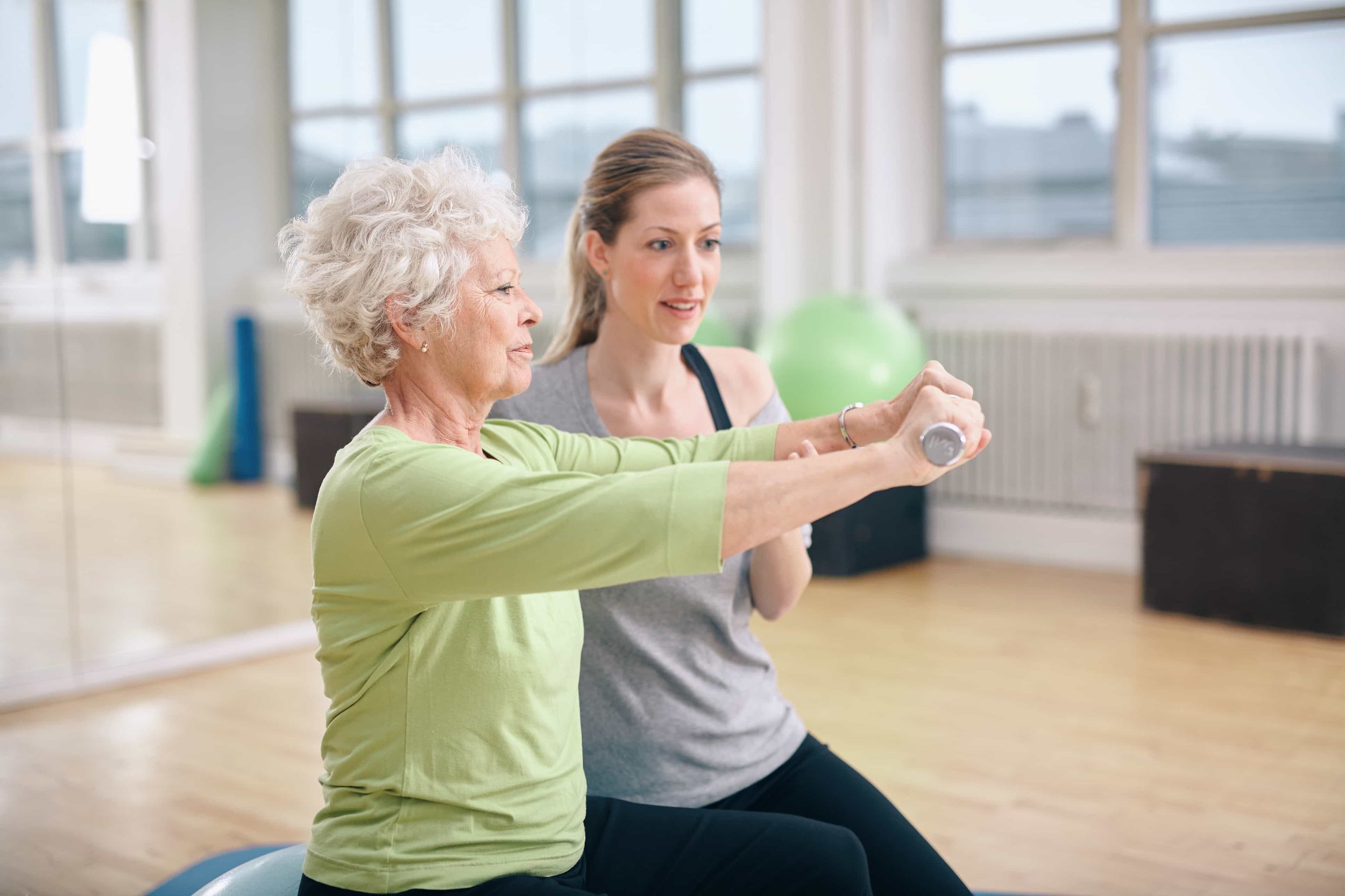
Anyone who has ever had surgery has probably experienced the temptation to stay curled up in bed during recovery. While that is sometimes what the doctor orders, it is more likely your surgeon will insist that you begin physical therapy within a few days. This is because post-surgery rehabilitation improves blood circulation to the site of the injury (helping you to heal faster) and reduces the likelihood of re-injury by helping you regain your strength and range of motion.
After surgery care is different for everyone. For example, rehabilitation for hip surgery recovery is going to be very different than rehabilitation for back surgery recovery. But generally, whether you recover in a rehabilitation center or at home, it is important to work with a trained and licensed physical therapist who has created a treatment plan just for you.
Your physical therapist will probably start you off with simple exercises that gradually increase as you continue to recover. Read on to get an idea of the post-surgery exercises that may be recommended depending on the type of injury you have.
Post hip replacement surgery exercises
Recovery from hip replacement surgery takes several months, though the exact time varies from person to person. Your physical therapist will give you rehabilitation exercises geared toward increasing hip strength and protecting your new joint. These exercises may include:
Hip abduction – Lie on your non-operated side with a pillow between your knees. Raise your operated leg up a few inches and hold.
Stair climbing and descending – Lead up the stairs with your good leg and down with your operated leg. Be sure to use the handrails in the early days of recovery.
Walking – You will need to start with a cane and may only be able to walk for a couple of minutes at a time in the beginning. Your physical therapist may recommend that you work your way up to 20 to 30 minutes 2 to 3 times per day.
Post knee surgery exercises
One of the most common athletic injuries involves the anterior cruciate ligament (ACL), which runs diagonally through the middle of the knee. Most ACL injuries are partial or complete tears of this ligament. Surgery is often required to restore knee stability, and recovery takes 6 months or more. Physical therapy is a must for regaining strength and motion in the knee. Rehabilitative knee exercises may include:
Passive knee extension – Sit in a chair and place your heel on another chair of equal height. Relax your leg and allow the knee to straighten.
Straight leg raises – Lie down on your back with both legs out straight. Bend the non-operated leg to 90 degrees. Contract the quads on your operated leg and slowly lift the leg. Hold at 6 inches for a couple of counts and then lower the leg slowly.
Heel slides – Sit on the floor with both legs out straight. Bend the knee of your operated leg by sliding your heel slowly across the floor toward you.
Post spinal surgery exercises
Most types of spinal surgery are done to relieve nerve pain in the back. Compressed nerves in the spine may be the result of herniated discs or bone spurs from osteoarthritis. Spinal surgery is usually only considered an option after other methods have failed to relieve the pain or numbness caused by these compressed nerves. Rehabilitation from spinal surgery requires physical therapy to restore your body’s alignment, balance, and stabilization. Post spinal surgery exercises will vary depending on the type of injury and surgery, but they may include:
Nerve stretch – Lie on your back with both legs stretched out. Lift one leg until you feel the stretch in the back of your thigh and through your hip. Place your hands behind the knee to support your raised leg and pump your ankle back and forth. Keep the knee still.
Bridge – Lie on your back with your knees bent at 90 degrees. Lift your hips off the floor, keeping a straight line from your shoulders to your hips.
Upper body extension – Lie on your stomach and slowly raise your head and shoulders a couple of inches off the ground by squeezing your shoulder blades together. Keep your neck straight and your gaze down at the floor throughout the exercise.
Post shoulder surgery exercises
A torn rotator cuff may require surgery, particularly for athletes such as pitchers and swimmers who frequently use the arm overhead. Individuals who experience persistent pain and weakness in the shoulder due to a torn rotator cuff and have found no relief with non-surgical treatment may also opt for surgery. Physical therapy exercises for shoulder rehabilitation are designed to restore motion and flexibility. Post shoulder surgery exercises may include:
Shoulder forward elevation – While sitting or lying down, clasp your hands together and lift your arms above your head, keeping your elbows straight. Hold for a count of 10. Then slowly lower your arms.
Walk up exercise – Keeping your elbows straight, crawl your fingers up a wall as high as you can without pain. Hold for a count of 10.
Pendulum, circular – Bend forward 90 degrees at the waist, holding onto a table with your non-operated hand for support. Allow your operated arm to dangle. Rock your body in a circular motion so that your operated arm moves clockwise 10 times and then counterclockwise 10 times. The arm stays relaxed but is moved by the rocking motion of your body.
Recover and rehabilitate with Bella Vista
At Bella Vista Health Center, our short-term rehabilitation facility provides a safe, welcoming environment where patients can receive the care they need to achieve full recovery from injury and surgery. Our skilled and compassionate physical therapists provide individualized treatment plans designed to aid in pain management, improve strength, and restore balance and mobility. If you’re looking for a rehabilitation center for yourself or a loved one seeking after-surgery care, you’ve come to the right place.
For more information about our short-term rehabilitation services or physical therapy programs, give us a call at (619) 644-1000.


The Importance of Physical Therapy
While physical therapy is most often associated with injury recovery, it’s can be a vital treatment for anyone looking to restore and improve mobility and functionality—particularly seniors. Many seniors benefit from physical therapy even without an accompanying injury or illness. Read on for more information on how physical therapy can improve the quality of life for your loved one:

While physical therapy is most often associated with injury recovery, it’s can be a vital treatment for anyone looking to restore and improve mobility and functionality—particularly seniors. Flexibility, strength, and balance tend to decline with age, which can negatively impact independence. Many seniors benefit from physical therapy even without an accompanying injury or illness. Read on for more information on how physical therapy can improve the quality of life for your loved one:
Improved mobility
Physical therapy is exercise-based, and it provides customized stretching and strengthening exercises to help with difficulties walking, moving, and even standing. Physical therapists can also help patients with assistive devices and assess for orthotic prescriptions if needed.
Improved balance
Fall-related injuries are especially dangerous to older bodies that can’t “bounce back” as well as they used to. Physical therapists provide exercises that safely challenge a patient’s balance to simulate real-life situations, and improve coordination to help prevent falls.
Pain relief
Physical therapy techniques such as joint and soft tissue mobilization can help relieve pain, and treatments such as ultrasound, electrical stimulation, and taping can restore muscle and joint function to reduce pain.
Stroke recovery
Most stroke survivors lose some degree of bodily function and movement, and physical therapy helps strengthen weakened parts as well as improve walking ability and balance. Improved mobility also leads to improved independence. Some patients are able to resume their functioning in daily activities such as bathing and dressing.
Diabetes management
Exercise can help control blood sugar as part of an overall diabetes management plan. For diabetes patients with reduced sensation in their feet and legs, physical therapists can educate on proper foot care to help prevent future problems.
Arthritis alleviation
The strength training involved with physical therapy helps alleviate the symptoms of arthritis and improves the use of joints. Additionally, the physical therapist can educate patients on therapeutic methods to relieve discomfort through specialized techniques and activity modifications.
Cardiac rehabilitation
After a heart attack, physical therapy is often recommended if a patient has difficulties in their daily functioning. Physical strengthening, conditioning, and breathing exercises are often used to help improve recovery.
Improved surgery recovery
Improving strength and mobility with physical therapy treatments before a scheduled surgery can help patients recover faster afterward, including less pain and less time until full mobility is achieved.
Positive motivation
Whatever the reason a patient requires physical therapy, treatments will only be effective with a positive mindset. Physical therapists are trained to motivate patients and ensure positivity throughout treatment.
We can help
At Bella Vista Health Center, we offer an individual patient-centered approach that provides an environment of healing and wellbeing for the highest quality care. Our evidence-based, outcome-driven services and therapy programs are designed to relieve pain, restore function, and enhance health. If you’re looking for a skilled nursing facility with an effective physical therapy program, give us a call today.

How Exercise and Recovery Change with Age
Your entire life you’ve been told exercise is good for you. The benefits are plentiful: It keeps your heart and bones healthy, prevents unhealthy weight gain, and improves your flexibility and appearance. But as you age, the advantages of exercising go beyond the obvious. In fact, as you grow older, an active lifestyle becomes more important than ever.

How Exercise and Recovery Change with Age
Your entire life you’ve been told exercise is good for you. The benefits are plentiful: It keeps your heart and bones healthy, prevents unhealthy weight gain, and improves your flexibility and appearance. But as you age, the advantages of exercising go beyond the obvious. In fact, as you grow older, an active lifestyle becomes more important than ever.
Unfortunately, many seniors assume they are too weak or frail to exercise and fear they will injure themselves. Some have never exercised before and have no idea where to begin, and others associate exercise with doing something strenuous they’re incapable of. While these are all valid concerns, what these individuals don’t realize is that not exercising could pose the biggest risk of all.
Exercise is the key to healthy aging
As they age, seniors who don’t exercise may begin to find that activities they’ve always looked forward to become a little bit harder. Playing with grandchildren, gardening, and shopping are suddenly challenging rather than enjoyable. This becomes frustrating and discourages many aging adults from engaging in physical activity at all. Regardless of your age or current physical condition, regular exercise can actually help alleviate the symptoms of illnesses or pain that prevent you from doing the things you love.
Aside from managing pain and illnesses that often come with aging, exercise can also boost your energy, improve your balance, help you maintain independence and prevent dementia and Alzheimer’s disease. And, reaping these benefits doesn’t have to involve vigorous workouts at the gym. Anything that gets your body moving counts as exercise. Whether you prefer taking a brisk walk, joining a water aerobics class, riding a bike, or playing a game of tennis, you’ll begin to feel the healing effects of exercise right away.
How recovery changes with age
If you haven’t been active in a while, it’s important not to go “all out” right away. Instead, build up your exercise program little by little and give yourself enough time to recover in between activities. As you age, more rest is required to prevent injury or illness. You can also avoid discomfort by warming up, cooling down, and keeping water handy during and after your workout.
At Bella Vista Health Center, we understand the importance of staying active as you age. However, we also recognize that starting a new exercise routine and sticking to it can be challenging the older you get. This is especially true if you are suffering from arthritis pain or recovering from a surgery or illness.
That’s why we provide patients in our care with the medical attention they need as well as access to a variety of exercise opportunities in a supportive, nurturing environment. From yoga classes to physical therapy, we do everything we can to maintain a high quality of life for all our residents. Give us a call and schedule a visit to see first hand how our five-star facility can empower you to be your personal best.